The merse is Mars-like this morning.
The end-of-winter grasses have been stroked flat by the salt-winds and bleached by the extremes of the season. They have taken on a russet-tone in the light, like the pelt of a red deer or dead bracken or a distant planet; the last ebb of winter before green begins to spread through the marsh again, each little plant that makes up this vast expanse turning green in the light of new life.
But I’m getting ahead of myself.
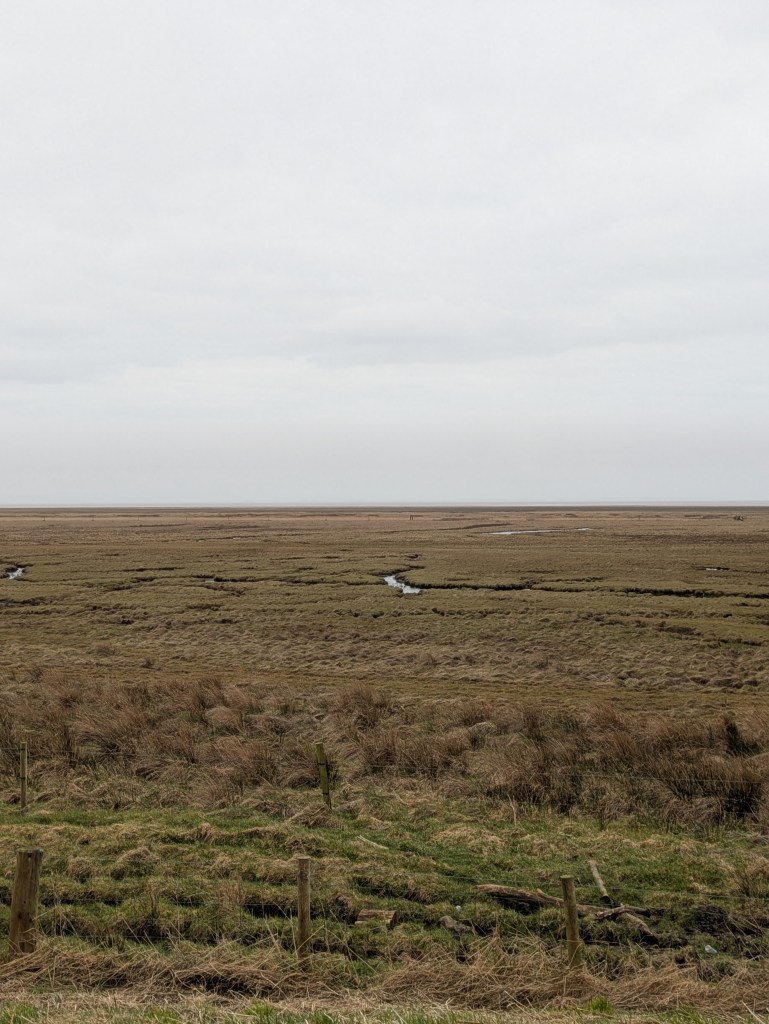
Today is old life, not new life. The wind cuts in through the window, chilling the concrete walls of the hide like it is still December. The wind does not budge the shroud of low white cloud that has hung over Dumfries and Galloway for what feels like five months now. It seals off the horizon, cutting the merse off from all but a few metres of the lapping sea, as the tide slowly takes back the land from where the water wants to be. This is a place, in this mood, that is completely context free. A little egret by the silver crook of a creek looks as tall as a great. A skein of barnacle geese drift in, parachuting to the ground on out-stretched wings, and land as small as rabbits.
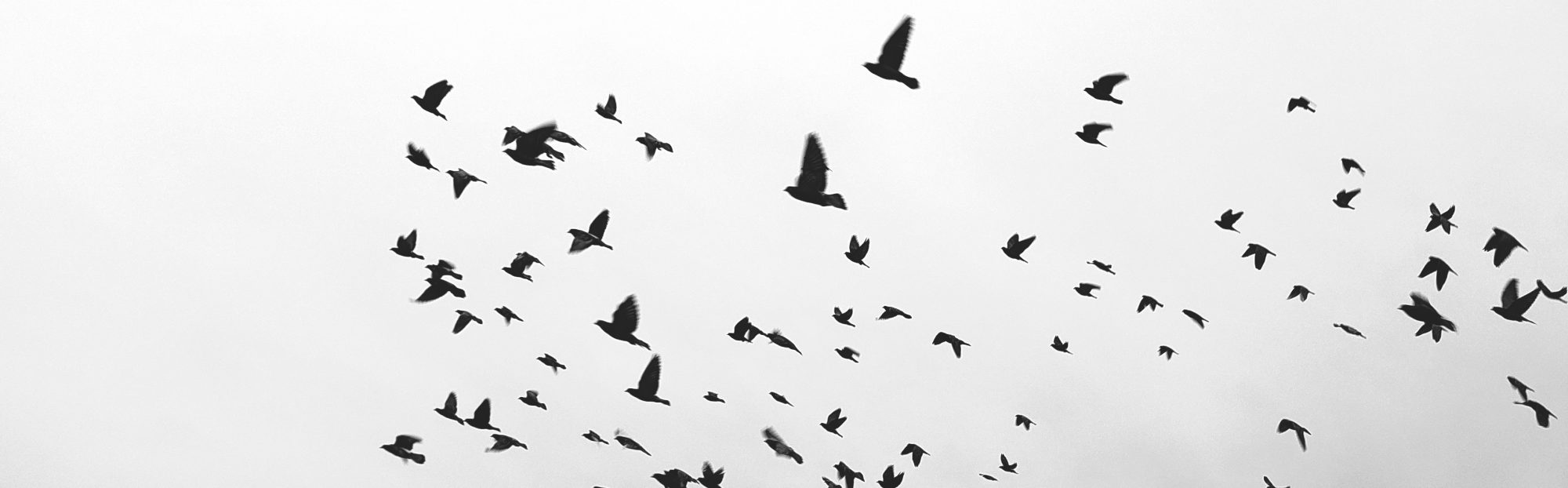
And then the hen harrier. It just appears, silver, as if the sky has shed a flake of itself that flaps powerfully, the fastest thing in the still landscape. It skims the grasses. In the hide I sit unseen while it flies, trying to be unseen, Juncus-height from the ground, around the back of the gorse bushes, narrowly clearing the five-bar gate. It disappears behind the old salt mounds. Then reappears minutes later as a phantom – a felt threat, a frantic panic from a few hundred geese getting up in a clatter of wings and a swirl of golden plovers.
Soon it’ll be dancing in the skies, thrilling the hillsides where we let them, if it ends up out of persecution’s reach.
But I am getting ahead of myself.
The tide swallows another chunk of the merse. Time passes, slowly.

